Paint Care That Avoids Automated Damage
Exterior Car Detailing in Portage for vehicles requiring contamination removal without the marring caused by brush car washes
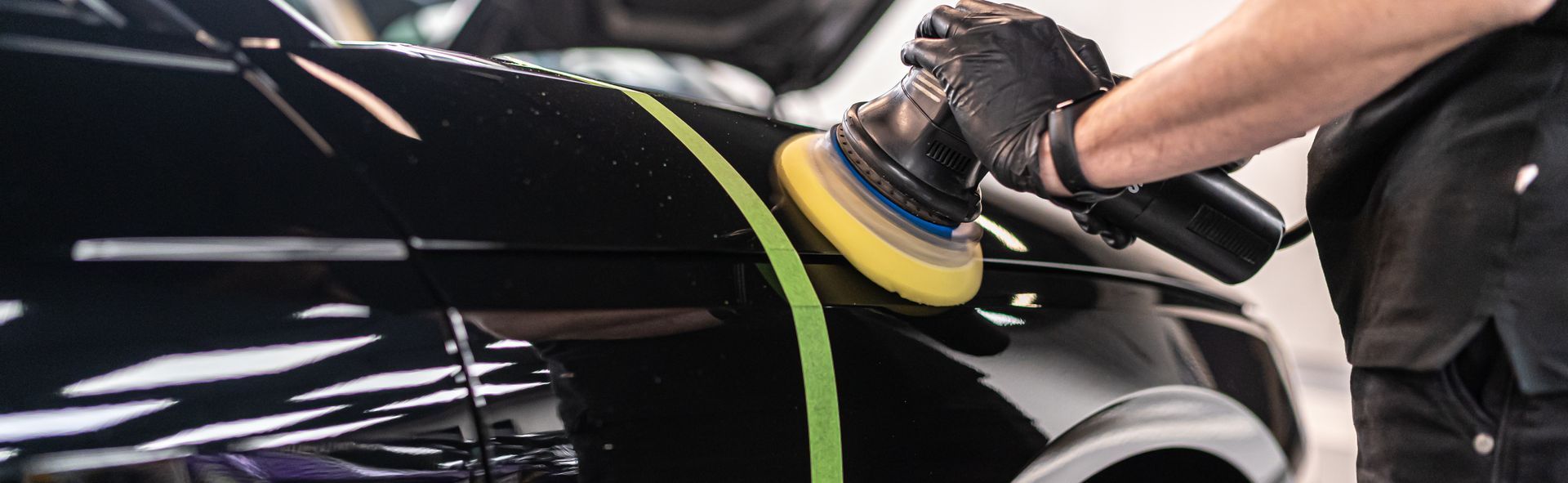
Automated car washes drag abrasive dirt across clear coat finishes with spinning brushes, creating the fine scratches visible as swirl marks under direct sunlight. Exterior car detailing performed by Platinum Touch Detailing LLC uses hand washing and controlled contact methods to clean paint, wheels, tires, glass, and trim while minimizing unnecessary friction that degrades the finish over time. The process addresses embedded road contamination that regular washing leaves behind, including brake dust bonded to wheels, tar spots on lower panels, and industrial fallout that roughens paint texture.
Hand washing begins with a pre-rinse that loosens surface contamination before any contact occurs, reducing the risk of dragging particles across the paint during the wash process. Wheel cleaning uses dedicated brushes and chemicals formulated to dissolve brake dust without damaging wheel finishes, while tire cleaning removes the brown oxidation layer that develops on sidewalls exposed to ozone and UV radiation. Clay treatment follows washing when the package includes decontamination, physically lifting embedded particles that create a rough texture when you run your hand across the paint, restoring a smooth surface that reflects light evenly.
Schedule an on-site exterior detailing evaluation to review your vehicle's current paint and wheel condition.
How Professional Detailing Differs from Automated Washing
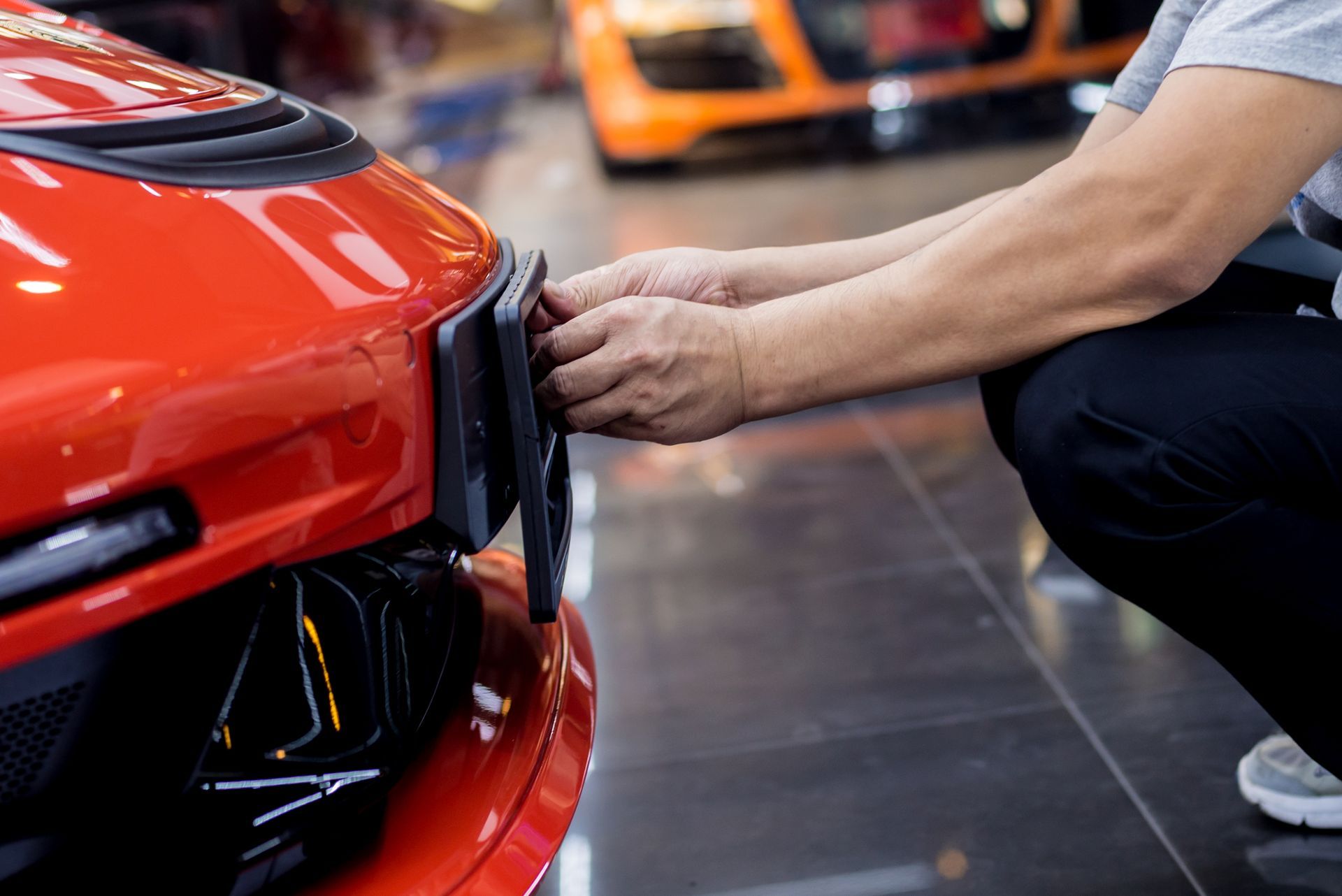
Hand detailing allows the technician to adjust pressure, contact type, and dwell time based on what each surface requires, using soft media on delicate clear coat and firmer tools on durable wheel finishes. Clay treatment removes bonded contamination that washing cannot lift, including industrial fallout from manufacturing areas, tree sap that hardens on horizontal surfaces, and rail dust from transportation that embeds in paint during vehicle shipping. Decontamination restores the smooth texture necessary for sealant or wax to bond properly, ensuring protection products adhere to clean paint rather than sitting on top of contamination.
After detailing, you notice paint that feels smooth rather than gritty when touched, wheels that maintain their clean appearance longer because protective products prevent brake dust from bonding as aggressively, and glass that sheds water more effectively during rain. Trim pieces regain uniform color once dressing penetrates faded plastic, and tires display a consistent sidewall finish rather than the uneven browning caused by oxidation. The finish looks sharper because light reflects uniformly from clean, smooth surfaces instead of scattering across contaminated or scratched areas.
Exterior detailing includes sealant or wax application only when specified in the selected package, creating a barrier layer that makes subsequent washing more effective by preventing contaminants from bonding directly to clear coat. The service does not correct existing paint scratches, oxidation, or clear coat failure, which require polishing or paint correction beyond standard detailing. Northwest Indiana driving conditions introduce road salt, agricultural spray, and industrial contamination that accelerate finish degradation when not removed regularly through proper exterior care.
Common Questions About Exterior Detailing
Vehicle owners frequently ask how exterior detailing addresses specific contamination types and what protection the service provides.
What contaminants does clay treatment remove that washing cannot?
Clay physically grabs particles embedded in the clear coat, including metal shavings from brake rotors, industrial fallout that bonds to paint, and tree sap that hardens into the finish, all of which remain in place during normal washing because they are bonded rather than simply resting on the surface.
How does hand washing prevent the swirl marks visible after automated car washes?
Controlled contact with clean, soft media and frequent rinsing of wash tools prevents abrasive particles from being dragged across the paint repeatedly, eliminating the circular scratching pattern created when spinning brushes trap dirt and grind it into the clear coat.
Why do wheels require different cleaning products than paint?
Brake dust contains metal particles and adhesive compounds that bond more aggressively than road dirt, requiring stronger chemical action to dissolve, but those same chemicals can damage clear coat if applied to painted surfaces.
When should exterior detailing be scheduled relative to Northwest Indiana winter conditions?
Detailing in late fall removes contaminants before salt season begins, creating a protected surface that salt spray has more difficulty bonding to, while spring detailing removes accumulated winter residue before it permanently etches the finish.
What visible difference does sealant application make after washing?
Sealant creates a hydrophobic layer that causes water to bead and roll off the surface, carrying loose dirt with it and making routine maintenance washing more effective because contamination sits on the sealant rather than bonding to paint.
Platinum Touch Detailing LLC completes exterior detailing at your Portage location, using
mobile equipment to deliver careful hand washing and contamination removal without automated brush contact. Book an exterior detailing appointment to address embedded road contamination and restore protected surface smoothness.