Bonded Protection for Long-Term Surface Defense
Mobile Ceramic Coating in Portage for vehicles requiring durable protection against environmental contamination and UV exposure
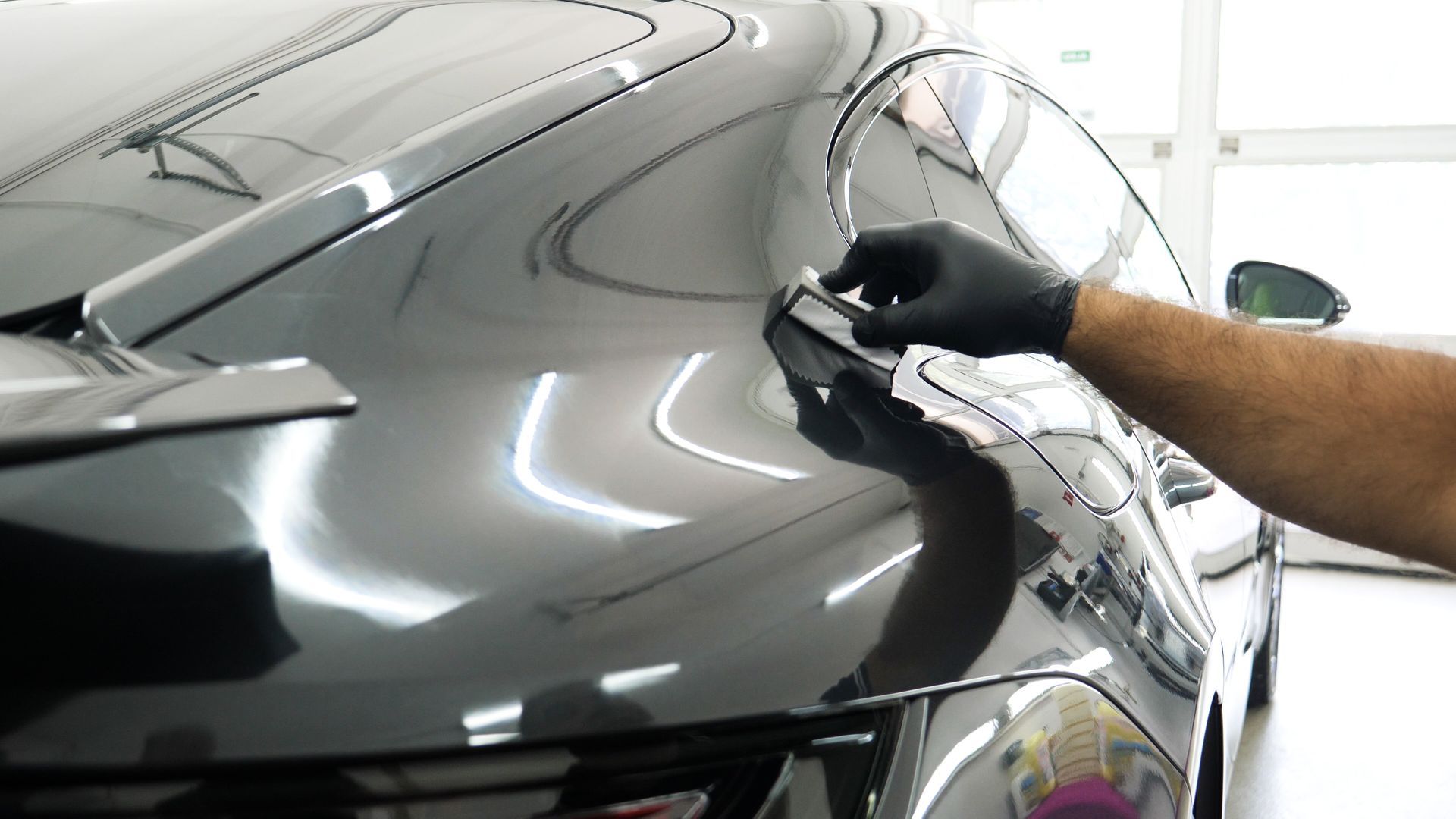
Northwest Indiana vehicles face UV radiation that degrades clear coat, bird droppings containing acidic uric acid that etches paint, and road grime that bonds to horizontal surfaces during daily driving. Mobile ceramic coating applied by Platinum Touch Detailing LLC creates a chemically bonded protective layer designed to increase gloss, improve water repellency, and resist environmental contamination more effectively than traditional wax or sealant. The coating does not prevent rock chips or physical impact damage like paint protection film, but it does make routine cleaning easier by reducing how aggressively contaminants bond to the paint surface.
Proper coating application requires complete paint preparation before the ceramic product is applied, including washing to remove loose contamination, decontamination with clay to eliminate bonded particles, and surface inspection to confirm the paint is smooth and defect-free. Any existing scratches, swirl marks, or oxidation remain visible beneath the coating because ceramic products bond to the surface as they find it rather than filling imperfections. The coating cures through a chemical reaction with the clear coat, creating a semi-permanent layer that lasts years rather than weeks, unlike wax that degrades each time the vehicle is washed.
Request a consultation to determine whether ceramic coating suits your vehicle's current condition and usage pattern.
What Ceramic Coating Actually Accomplishes
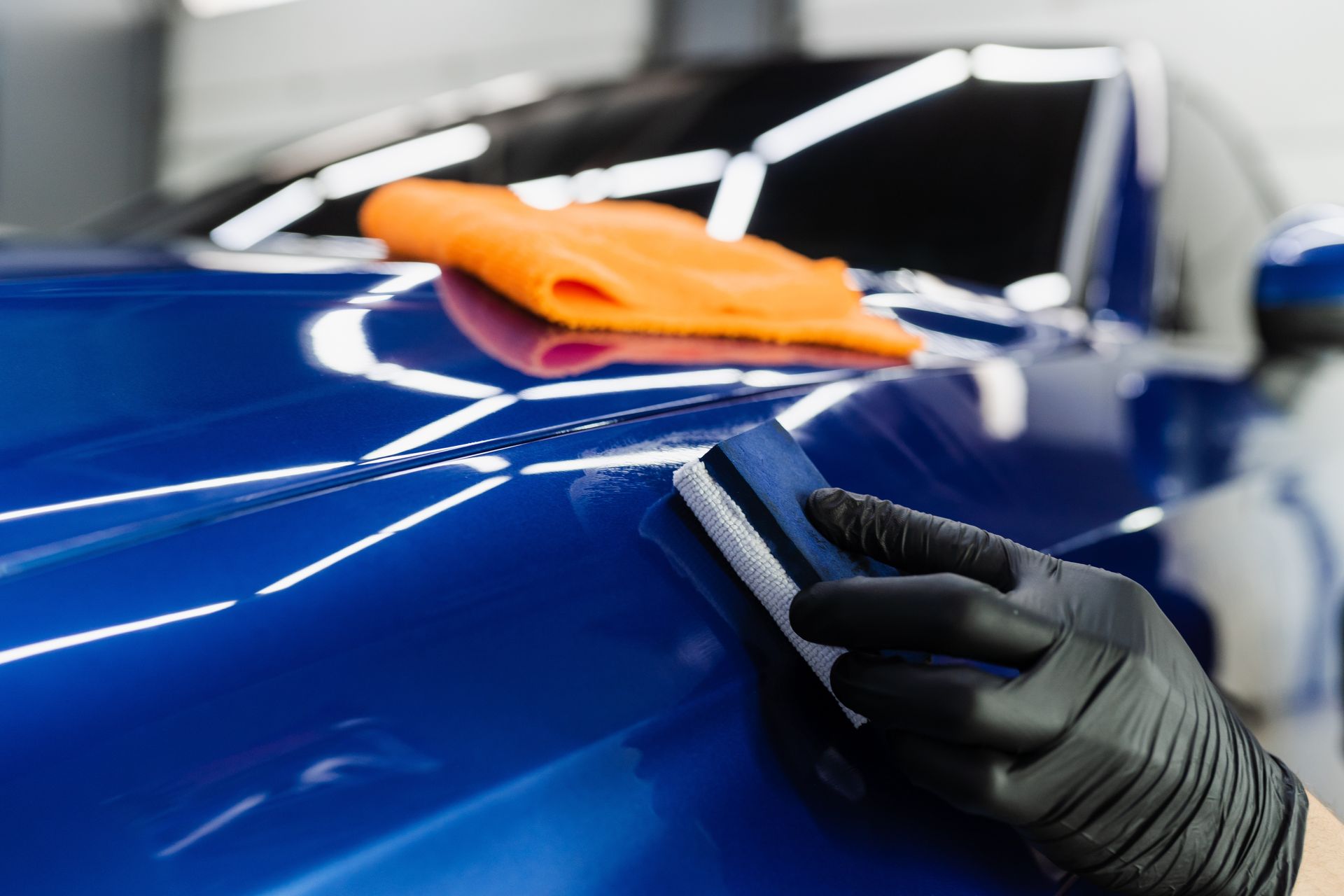
Ceramic coating increases surface hardness compared to bare clear coat, making the finish more resistant to light scratching from improper washing techniques, though it does not eliminate the need for careful maintenance. The hydrophobic properties cause water to bead into tight droplets that roll off the surface, carrying loose dirt with them and reducing water spotting because minerals have less opportunity to dry on the paint. Contaminants like bug splatter, bird droppings, and tree sap release more easily during washing because they bond to the coating rather than the clear coat, preventing etching and staining that occur when acidic materials sit directly on paint.
You notice enhanced gloss and depth of color because the coating creates a uniform refractive surface that reflects light more consistently than untreated clear coat. Washing becomes faster and requires less physical contact because contamination does not cling as aggressively, reducing the risk of introducing new scratches during routine cleaning. The coating maintains its protective properties through multiple wash cycles, unlike wax that visibly degrades after several weeks of weather exposure and washing.
Ceramic coating requires a multi-day curing period during which the vehicle should not be exposed to water or contamination, so plan application when you can keep the vehicle sheltered. The coating does not eliminate the need for washing or maintenance—it changes how effectively washing works by preventing contaminants from bonding as strongly. UV-resistant properties help prevent clear coat oxidation and fading over the coating's lifespan, but they do not reverse existing paint damage or discoloration that developed before application.
Answers to Coating Suitability Questions
Customers considering ceramic coating often ask how the product performs under real-world conditions and what preparation is required.
What surface defects disqualify a vehicle from ceramic coating?
Deep scratches, clear coat oxidation, heavy swirl marks, and paint etching from contaminants all remain visible beneath the coating, so vehicles with these conditions require paint correction before coating to achieve the glossy finish most owners expect.
How does ceramic coating handle road salt common in Portage winters?
The coating prevents salt from bonding directly to clear coat, allowing it to rinse off more completely during washing, but salt residue must still be removed regularly because prolonged exposure to concentrated brine can degrade any protective layer over time.
Why does ceramic coating not prevent rock chips like film protection does?
Coating adds a hard chemical layer measured in microns, providing chemical and UV resistance but no meaningful impact absorption, while paint protection film uses a thick, flexible polymer designed to absorb and distribute impact energy from road debris.
When should coating be applied relative to a vehicle's age?
New vehicles benefit immediately from coating before environmental damage accumulates, while older vehicles require paint correction to remove existing damage before coating, making the total investment higher but still worthwhile if the owner plans long-term retention.
What maintenance does ceramic coating require after curing?
Regular washing with pH-neutral soap maintains the coating's hydrophobic properties, while avoiding automatic car washes prevents abrasive contact that can degrade the layer over time, though the coating tolerates hand washing far better than traditional wax.
Platinum Touch Detailing LLC applies
mobile ceramic coating at your Portage location following complete paint preparation to confirm proper surface bonding. Contact the team to discuss coating suitability, preparation requirements, and curing logistics for your specific vehicle and storage conditions.